Services · Build the product
Full-stack web development
Axar7 builds web products end to end, from the interface people use to the APIs, data pipelines and infrastructure behind it. We built the core modules of Factoreal, an omnichannel marketing automation platform acquired by Satisfi Labs in 2024: its no-code journey builder, the event pipeline underneath (more than 10,000 events a second) and the analytics on top.
Updated
On record
01How it works
Full-stack web development, step by step
- 01
The interface: a journey, dragged together
Factoreal's journey builder lets a marketer without a developer assemble a campaign by drag and drop: an event trigger such as a signup, a link click or an email action, then scheduled steps, conditional branches and channels. Prebuilt templates give a working starting point instead of a blank canvas.
- 02
Logic: every contact on its own path
Each contact moves through the journey on its own. A contact who clicks gets a different follow-up from one who does not, across email, web and social, so one journey behaves like many campaigns without anyone maintaining them separately.
- 03
Back end: events that are never dropped
Every trigger is an event, and a busy campaign produces a great many of them. The platform runs on a horizontally scalable event pipeline with batching and retry semantics, so a burst is absorbed rather than dropped. It handled more than 10,000 events a second.
- 04
Data: a dashboard that closes the loop
On top, the dashboard tracks the audience (contacts added, unsubscribes, inactive contacts) alongside anonymous website visitors, follows a website conversion funnel from visit to signup, and shows with heatmaps where people engage, so the next journey is built on what the last one did.
02Scope
What we build
- Product interface and front end, including visual editors
- APIs and back-end services
- Event pipelines, queues and caching built for real load
- Dashboards, funnels and analytics
- Sign-in, roles and admin consoles
03Proof
Where we have done this
- 01
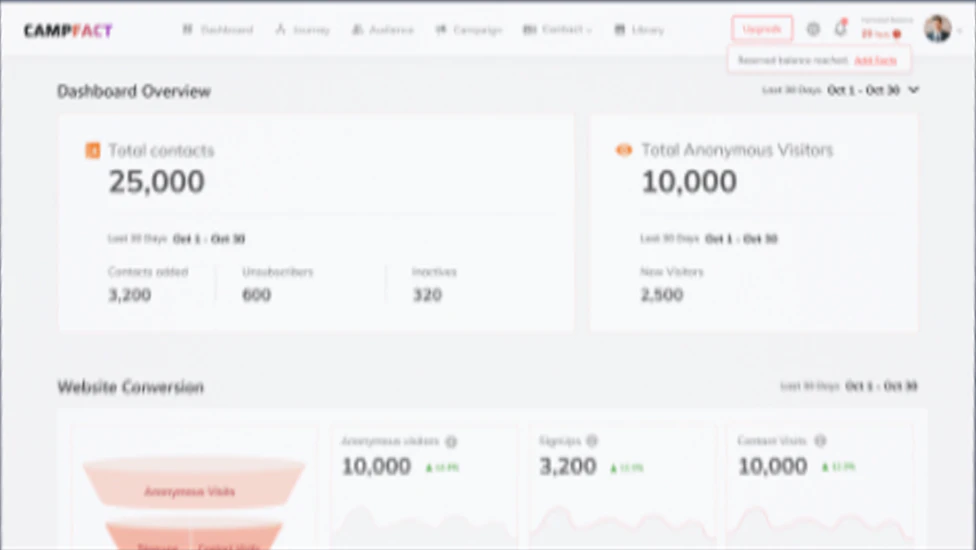
Factoreal
Omnichannel marketing automation: no-code journeys, an event pipeline and analytics
Marketing AutomationJourney Builder - 02
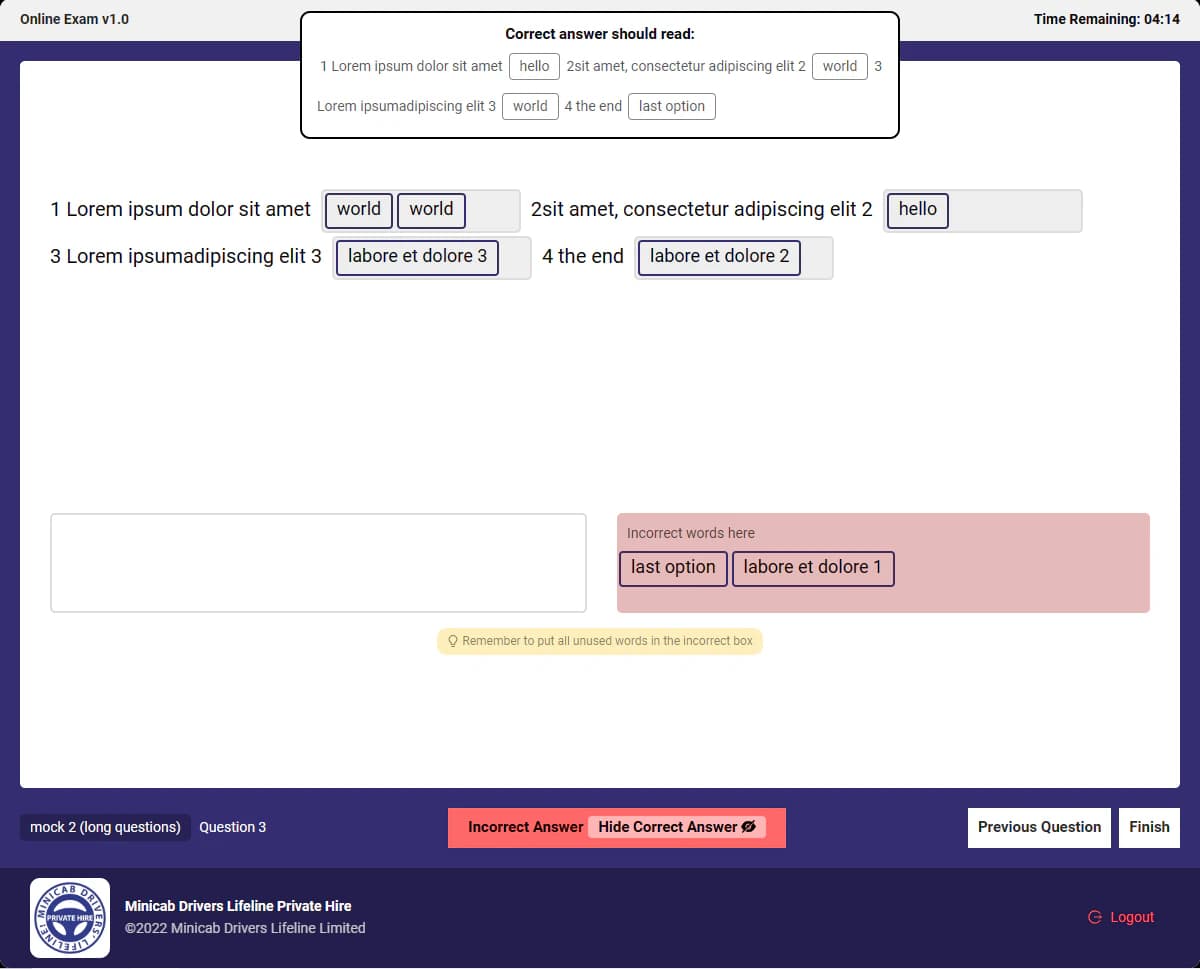
Minicab Lifeline
SERU mock exam platform for private hire driver licensing
Assessment PlatformWeb & Mobile - 03
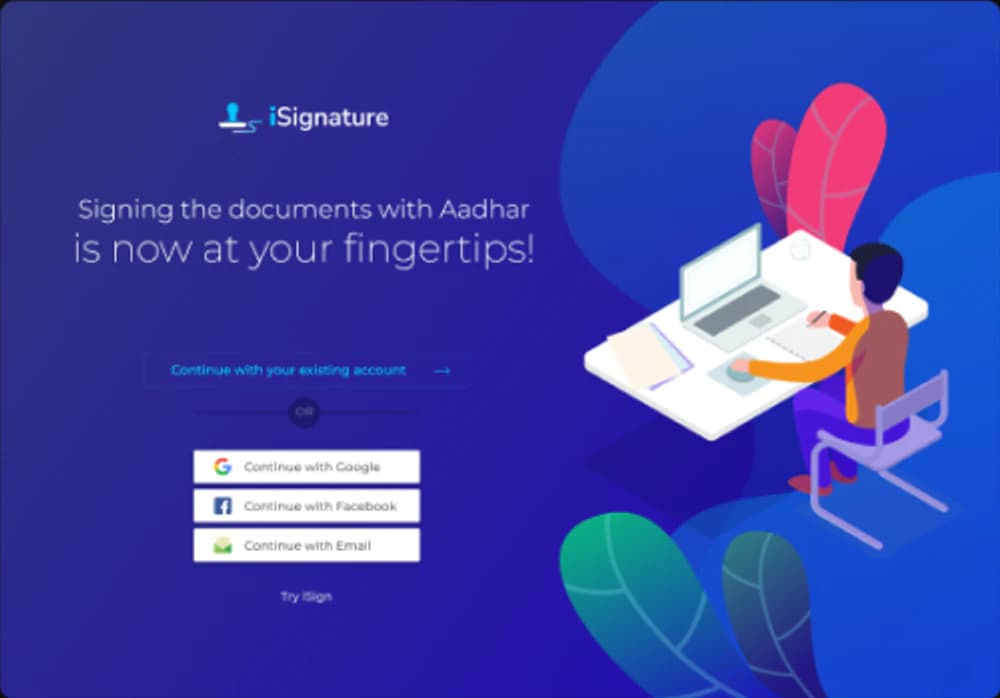
iSignature
Secure, identity-backed digital signing platform
Digital SignaturesSecurity - 04
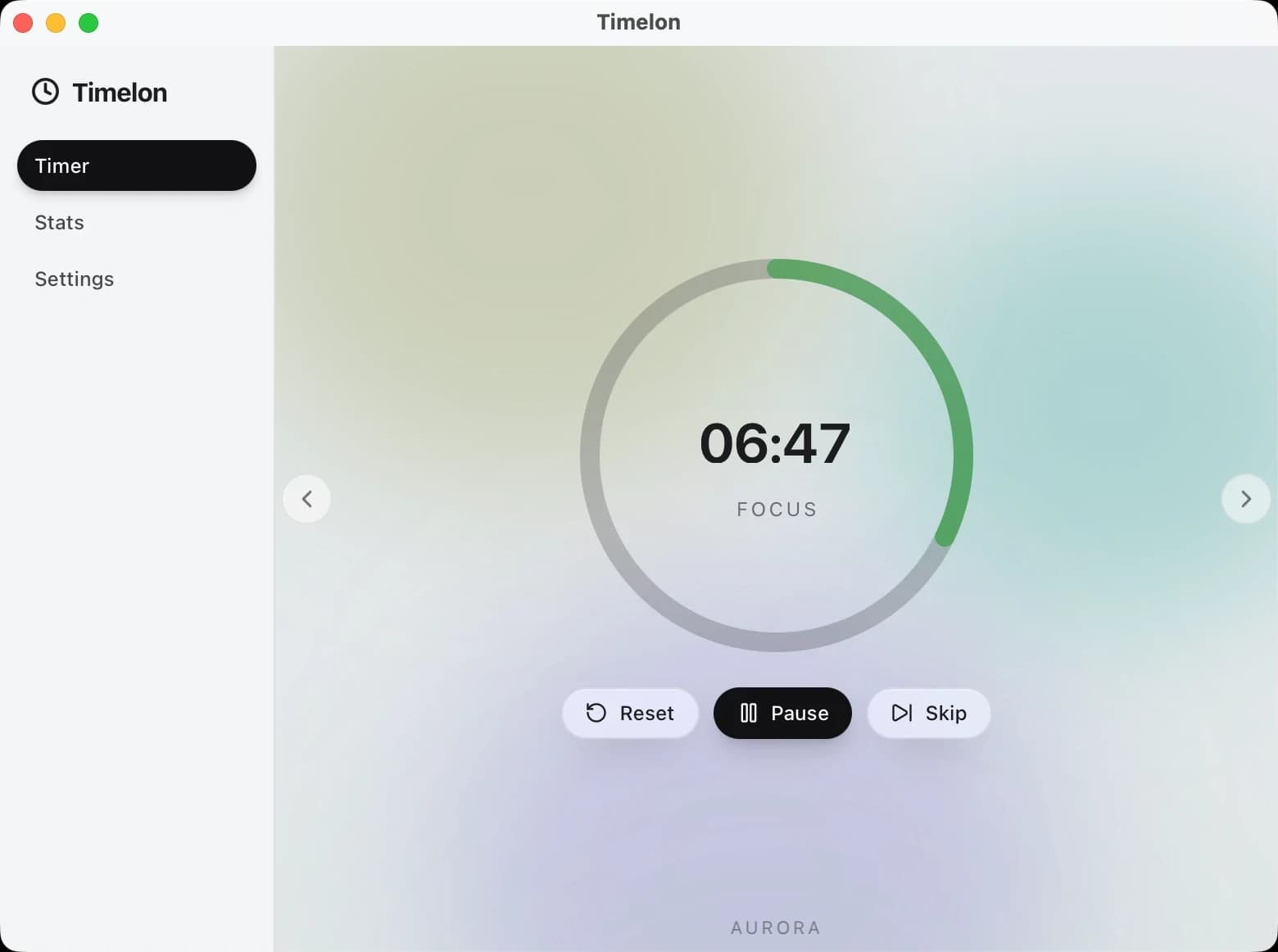
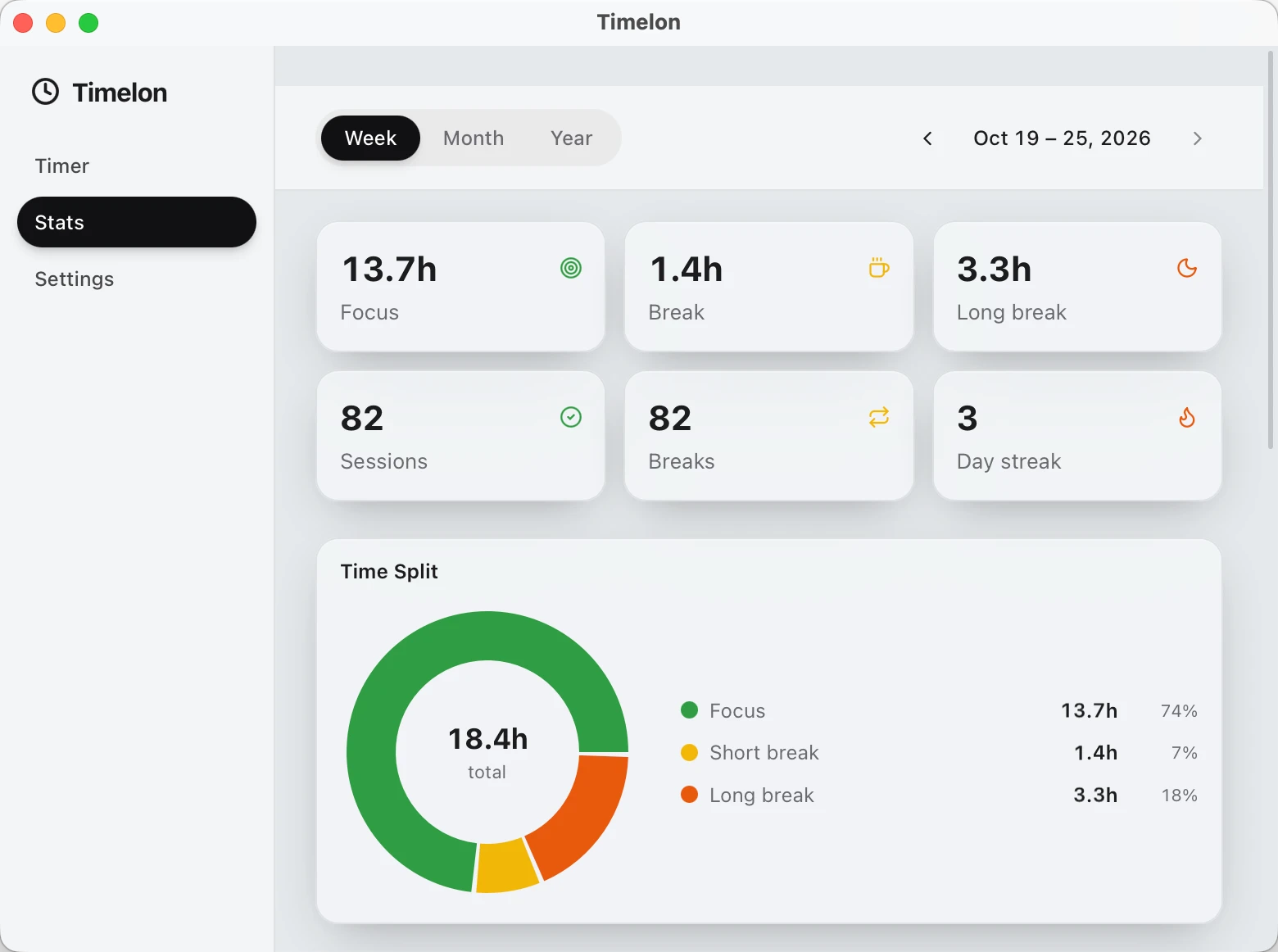

Timelon
A Pomodoro timer for the desktop, counting down in the menu bar
Desktop AppTauri - 05
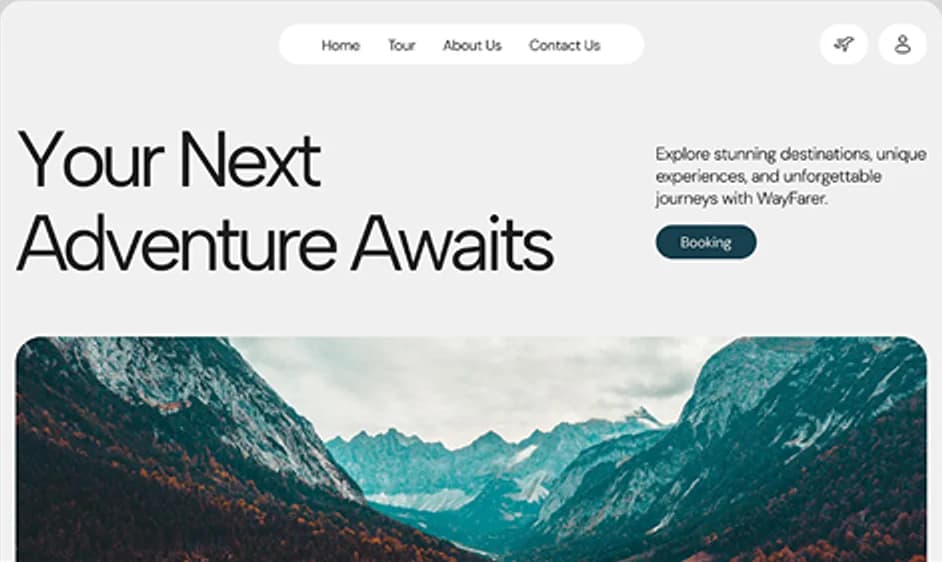
WayOn
Adventure & sports discovery, booking and marketplace
Full-Stack ProductBooking Platform - 06
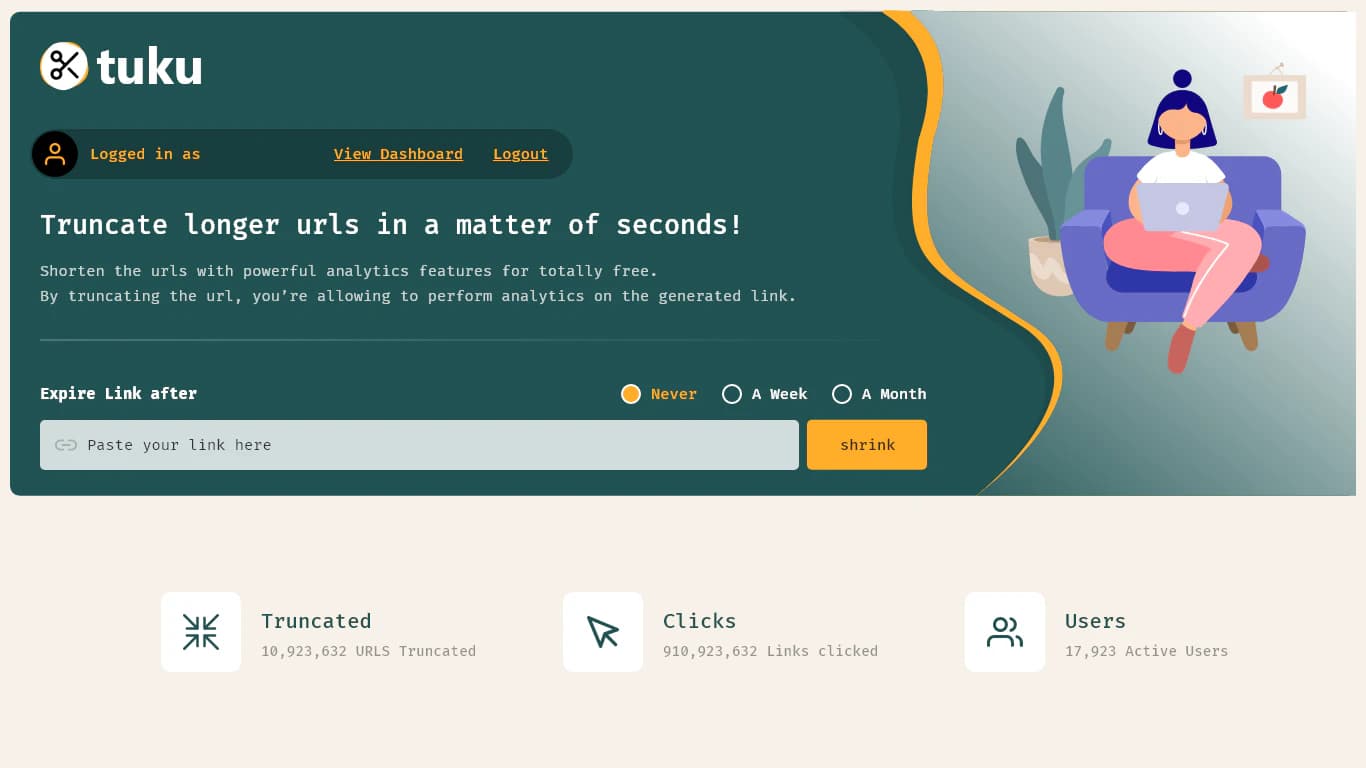
Tuku
High-availability URL shortener & analytics
Full-Stack ProductWeb Application
04Stack
What we build it with
- React
- Node.js
- Express
- Fastify
- Strapi
- MongoDB
- Python
- Flask
- FastAPI
- SQLAlchemy
- Pydantic
- Socket.IO
- Docker
- CI/CD
- Nginx
- AWS
- Vercel
05Questions
Common questions
Can you build a whole product, not just a front end or a back end?
Yes. On Factoreal we built the core modules: the journey builder people use, the event pipeline under it and the analytics on top. Satisfi Labs acquired Factoreal in June 2024.
Can you build for real traffic, not just a demo?
Factoreal's event pipeline handled more than 10,000 events a second; Minicab Lifeline was tuned for around 1,000 concurrent users on compact infrastructure; Tuku redirects in under 50 ms while recording every click.
Do you build the admin side as well as the public product?
Yes. Minicab Lifeline's administrators author question banks and exam sets, iSignature has an admin console for transactions and usage, and Equity Films has a role-based admin for content, campaigns and contact captures.
Do you build on the MERN stack?
Yes. Timelon, our desktop Pomodoro timer, is built on MongoDB, Express, React and Node.js, with Tauri as its desktop shell.
Can you build for regulated workflows?
iSignature backs every signature with a verified identity, including Aadhaar, and gives each signed document a verifiable transaction ID and a full audit trail.
Which stacks do you build on?
React on the front end; Node.js with Express or Fastify, or Python with Flask or FastAPI, behind it; Strapi where a headless CMS fits; MongoDB, or SQL through SQLAlchemy; deployed with Docker, CI/CD and Nginx on AWS or Vercel.
How long does a web product take?
It depends on the project. Simpler requirements take a few weeks, up to a month; complex builds take months.
06Related
Related services
- Microservices & event-driven architectureAxar7 designs fully asynchronous, event-driven systems, mainly on Kafka and Amazon SQS: small services that talk through events, so each stage can be scaled on its own and a failed step can run again safely.
- Mobile app developmentAxar7 builds mobile apps for iOS and Android in React Native, from one codebase, with native SDK modules only where the work has to run on the device.